Autumn is a standout season to experience Rottnest Island (Wadjemup), with pleasantly warm days, mild breezes and ocean temperatures at their peak after summer. Average daily temperatures between 21–26°C create ideal conditions for beach time, snorkelling, and island adventures, without the harsher heat of mid-summer. The more settled weather often supports smoother journeys and comfortable exploring, while thinning crowds make popular bays and attractions feel more open and relaxed. It’s the perfect balance of sunshine, warm water and breathing room to truly enjoy the island.
Autumn Activities
Autumn is one of the best times of year to experience Rottnest, with warm, comfortable days that make exploring a true pleasure. The temperatures are just right, not too hot, not too cool, making it perfect for cycling along the island’s scenic paths or hiking through its diverse landscapes. As you explore, keep your eyes peeled for the island’s famous residents, the friendly, ever-curious quokkas, who never fail to bring a smile to visitors’ faces.
The season’s light winds and warm waters create ideal conditions for snorkelling in the island’s crystal-clear bays, where you can encounter colourful fish, playful rays, and a variety of unique marine life. With fewer crowds than the peak summer months, you’ll find it easier to enjoy the natural beauty of each cove, beach, and lookout point at your own pace.
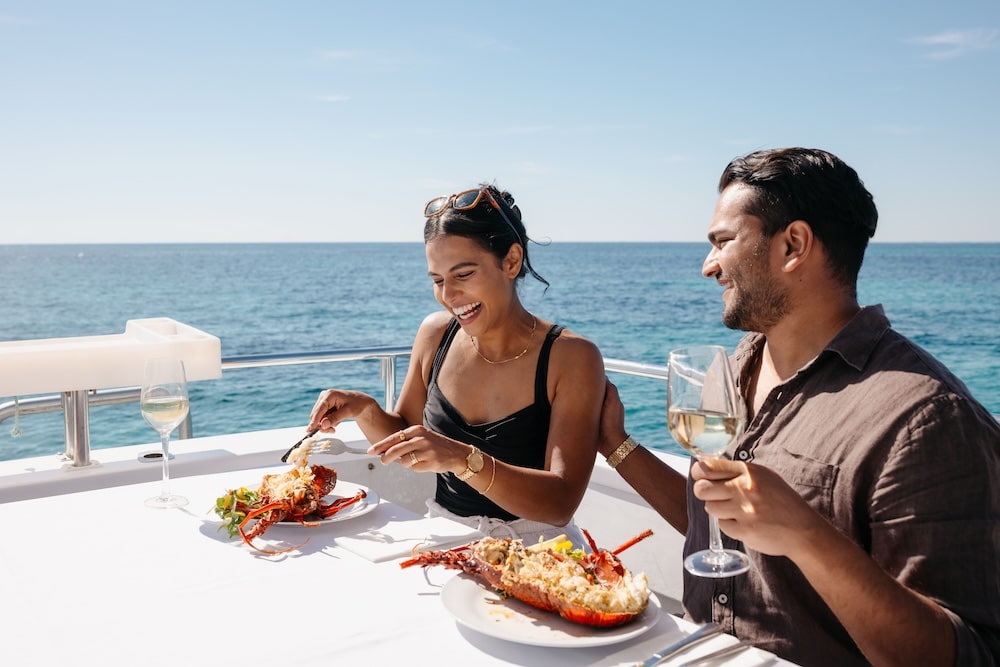
The island’s dining experiences are the perfect way to round out a day of adventure. Enjoy a relaxed meal at one of the local restaurants, or take your day to the next level aboard our Luxe Island Seafood Cruise. From the water, you can admire the island from a new perspective, dive into a refreshing swim, and indulge in seven courses of freshly prepared seafood, all while soaking up the calm island atmosphere. It’s a complete day of exploration, relaxation, and culinary delight, a perfect way to experience the very best of Rottnest Island in autumn.


The Leeuwin Current
One of the main reasons Rottnest Island is such a standout destination in autumn is the influence of the Leeuwin Current. Flowing strongest near the island at this time of year, this warm, tropical current travels south from Indonesia, keeping sea temperatures around Rottnest roughly 4°C warmer than the nearby Western Australian coastline and above 22°C into the early winter. These conditions create a unique mix of tropical and temperate waters, supporting vibrant coral gardens across the island’s five marine sanctuary zones and allowing tropical fish species to thrive much further south than they normally would.
The crystal-clear waters surrounding Rottnest are incredibly colourful and biodiverse, offering visitors an underwater playground that is both stunning and rare. Snorkellers and divers can glide among schools of tropical fish, explore thriving coral formations, and spot sea turtles, rays, and other marine life that are drawn to the warmer waters. Even those staying above the surface can enjoy sightings of dolphins and abundant seabirds, making autumn a spectacular season for wildlife encounters. The Leeuwin Current doesn’t just shape the island’s marine ecosystems, it defines the timing, temperature, and vitality of everything that visitors can experience in the water, creating a truly immersive natural playground that combines science, beauty, and adventure.


Bunuru & Djeran Season
This seasonal peak is mirrored in the Noongar seasonal calendar, highlighting the island’s ecological and cultural rhythms. March falls within the season of Bunuru, one of the warmest periods of the year, known as the season of adolescence, tool-making, fishing, and hunting. The Noongar people moved to coastal areas during Bunuru to take advantage of abundant seafood, which provided a significant addition to their diet, while flowering plants were harvested for nectar.
April marks the start of Djeran, recognised by shorter days, early morning dew, and cooler westerly winds. In the evenings, the calls of the island’s resident kwooyar, or moaning frogs, signal their breeding period and reflect the improved water quality around Wadjemup. Djeran was traditionally a season of adulthood, marriage, and courtship ceremonies, and a time to gather the increasing abundance of berries, seeds, and starchy bulbs to prepare for the colder Makuru season.


Visiting Rottnest Island in autumn offers a rare chance to experience both its vibrant marine life and rich cultural heritage at their seasonal peak. From snorkelling in warm, crystal-clear waters shaped by the Leeuwin Current to witnessing the natural rhythms reflected in the Noongar seasons, this time of year provides a truly unforgettable island experience.